
Custom Welded Bandsaw Blades for Australian Workshops
Send us your blade length, machine model or a photo of your old blade — we'll recommend the correct blade grade, TPI and provide a quote.
M42
Bi-Metal Grade
M51
High Performance
TCT
Carbide Option
AU
Local Support
Blade Range
Choose Your Blade
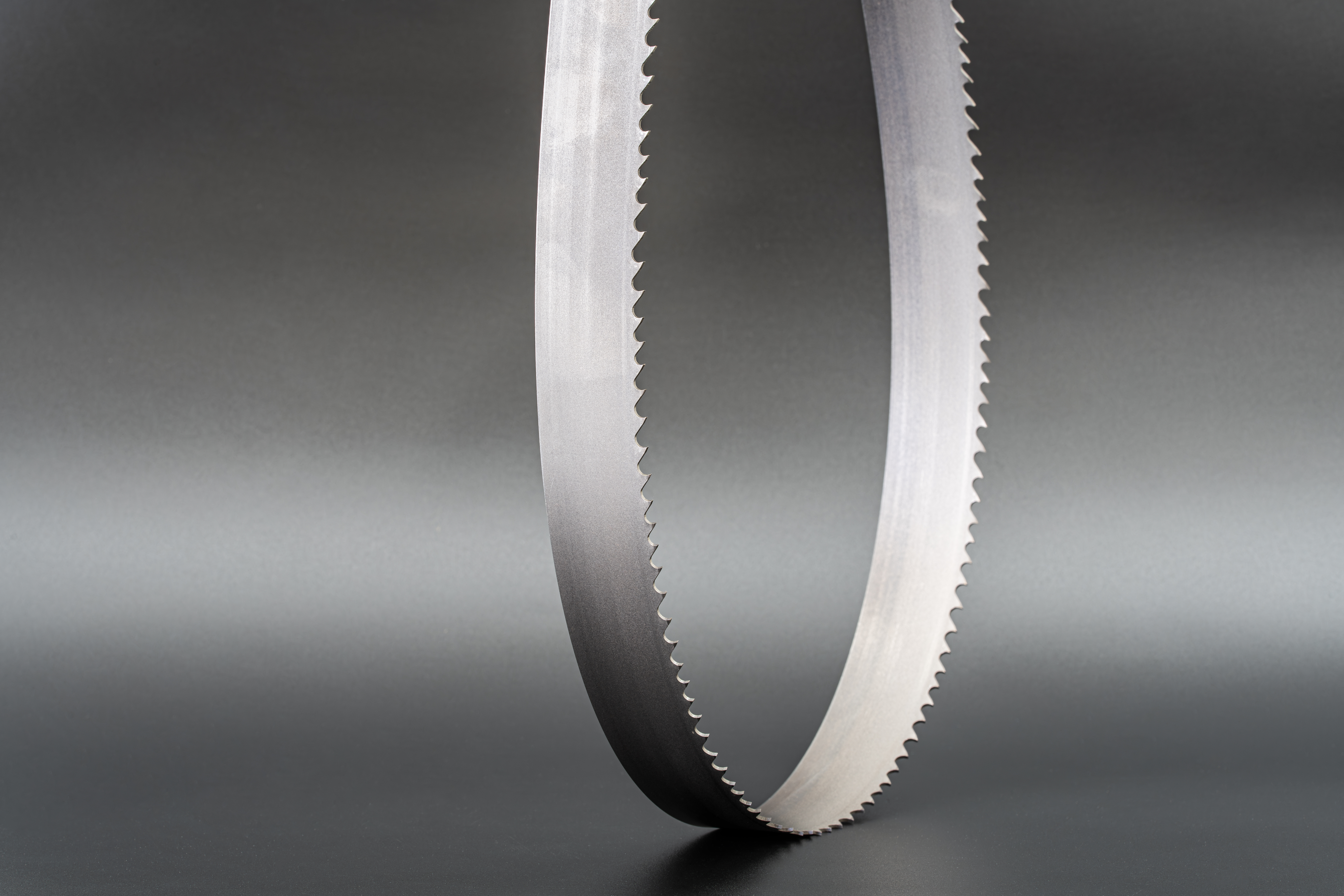
Why Evertec
The Bandsaw Blade Specialists
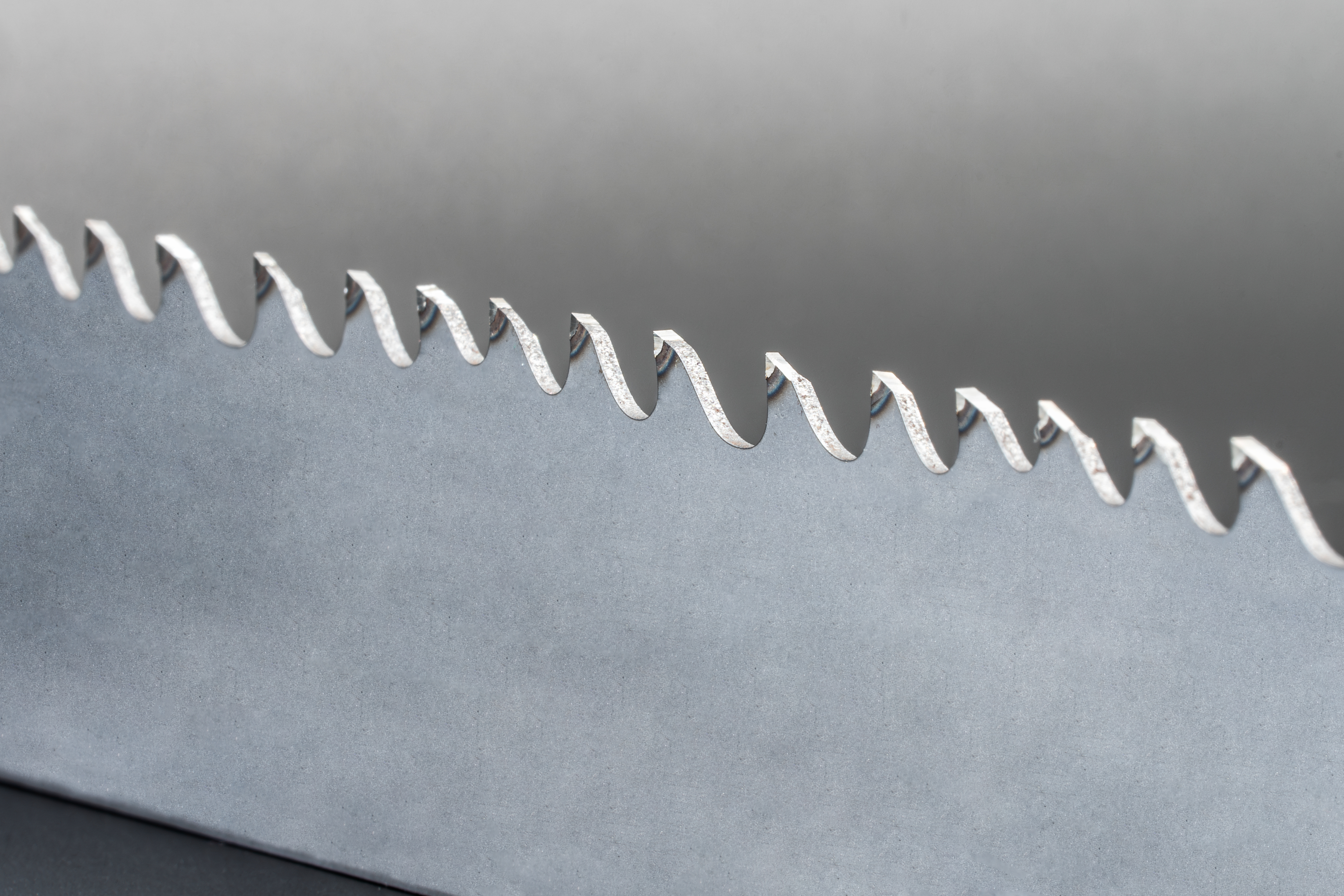
01
Custom Welded to Length
Made to your exact machine size — no standard lengths.
02
M42, M51 & Carbide
The right grade for your material and cutting job.
03
We Help You Choose
Unsure on grade or TPI? We confirm before you order.
04
Workshop Specialists
Fabricators, engineers, timber and food processors.
05
Bulk & Repeat Supply
Fast turnaround and volume pricing for trade.
06
Australia-Wide Delivery
Factory-direct with local sales support.
Also Available
Other Saw Blades
Trade supply and bulk orders.
Choose by Material
What Are You Cutting?
Repeat Customers
Reorder Your Last Blade
Blade Knowledge
Bandsaw Blade Questions
Complimentary custom technical support will be provided to you in person to optimise and address any of your cutting issues.
What bandsaw blade should I use for mild or structural steel?
For mild steel, structural sections and general workshop cutting, an M42 bi-metal bandsaw blade is the standard choice. It handles solid bar, RHS/SHS and pipe at everyday cutting rates and is the most economical grade for day-to-day fabrication work.
What bandsaw blade cuts stainless steel best?
Stainless work-hardens as you cut, so it needs a tougher blade. An M51 bi-metal bandsaw blade holds its edge in stainless, tool steel and harder alloys far longer than M42, making it the right grade for stainless fabrication.
What's the difference between M42 and M51 bandsaw blades?
Both are bi-metal blades, but M51 has a higher cobalt and tungsten content in the tooth edge, so it stays sharp at higher cutting temperatures. Use M42 for mild and structural steel, and step up to M51 for stainless, tool steel and harder alloys. For very abrasive or exotic materials, a carbide bandsaw blade outlasts both.
How do I choose the right bandsaw blade?
Start with material and section: mild steel takes M42 bi-metal, stainless and harder alloys take M51, and abrasive or exotic material needs carbide. Then match TPI to your section size — keep at least 3 teeth in contact. Our bandsaw blade selector walks you through both steps in under a minute.
How do I measure a bandsaw blade for replacement?
Check your machine's manual or spec plate first — most list the required blade length. If it's missing, lay the old blade flat in a loop and measure around the outside edge with a tape, or mark a point on the blade, roll it one full revolution along the floor and measure the distance. Note the width and tooth pitch as well, then send us the spec and we'll weld an exact replacement.
What TPI bandsaw blade should I use for metal?
The rule is at least 3 teeth in contact with the material at any time. For thin-wall tube and pipe (under 3 mm wall), use 10–14 TPI; for solid bar up to 50 mm, 6–10 TPI; for large solid sections over 100 mm, 3–4 TPI variable. Coarser pitches clear chips faster in heavy sections; finer pitches prevent tooth strip-out on thin walls. Our bandsaw blade selector gives you a specific TPI recommendation for your section size.
Can you weld a bandsaw blade to any length?
Yes. Every blade is custom welded into a loop at your exact machine length at our Melbourne workshop — from small vertical saws to large twin-column production machines, in M42, M51 and carbide grades.
When should I replace my bandsaw blade?
Replace the blade when cuts start to wander or drift out of square, cutting takes noticeably longer, the blade squeals despite correct feed and speed, or you can see stripped or chipped teeth. Running a dull blade risks scrapping material and overloading the machine. If you know your spec, you can reorder the same blade in minutes.
Why is my bandsaw blade not cutting straight?
The most common causes are a dull blade that pulls to one side, incorrect blade tension (too loose lets the blade deflect under load), worn or mis-set blade guides, and misaligned guide bearings. Check blade tension and guide alignment first. If the blade is dull or the teeth are chipped, replace it — a sharp blade on a well-set machine cuts straight without forcing.
Why does my bandsaw blade keep breaking?
Blade breakage usually points to one of four causes: over-tensioning (blades fatigue quickly if stretched too tight), too-fast feed rate (forcing the blade causes tooth snap-off and weld stress), wrong TPI for thin material (fewer than 3 teeth in contact lets teeth hook and break), or a wheel diameter that is too small for the blade width. Check your machine's minimum wheel diameter spec for the blade width you're running, reduce feed pressure, and verify tension with a gauge. If breakage continues after correcting these, contact us — the blade spec may not suit your machine.
Local Supply
Bandsaw Blades Australia-Wide, Welded in Melbourne
Whether you spell it bandsaw or band saw — every blade is welded to length at our Braeside workshop and dispatched across Australia. Melbourne workshops get local support and fast turnaround: see our bandsaw blades in Melbourne page. Interstate? We deliver bandsaw blades to Sydney overnight and to Brisbane in 1–2 business days.
Get a Quote
Request Custom Welded Blade Quote
Send us your blade size, machine and material. We'll confirm the right specification and provide pricing within 24 hours.